Funny Floral Bird T
First Impression: Whimsy That Stitches Well
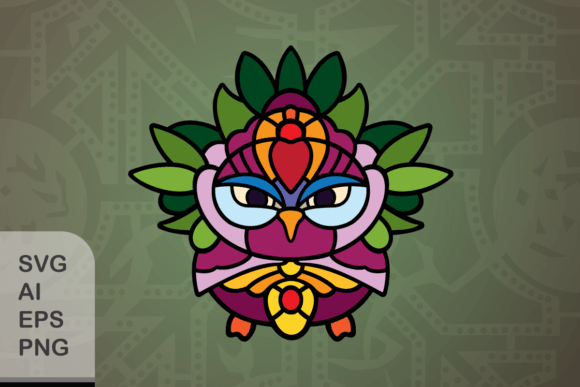
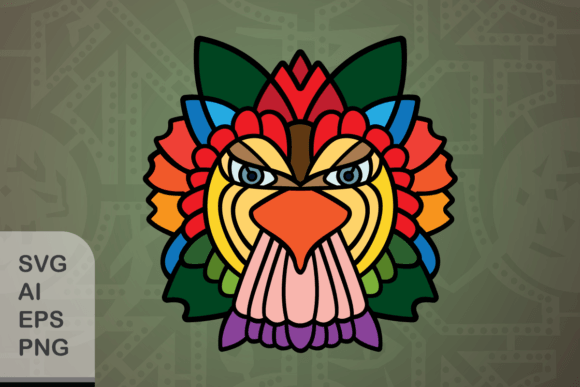
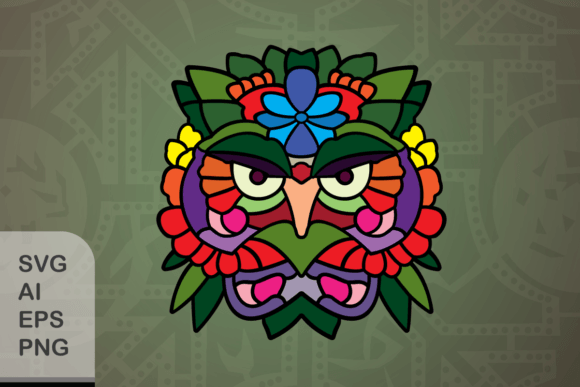
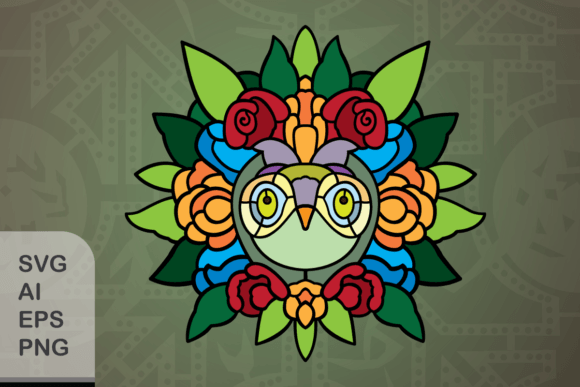
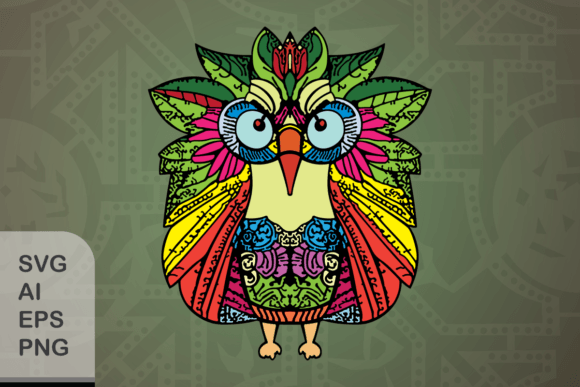
Opening the Funny Floral Bird T archive, I didn’t just see files—I saw potential stitched in real thread. The PNG is crisp (5491×5206 at 300 DPI), the SVG clean, and the AI/EPS files ready for vector refinement. But what struck me first wasn’t resolution—it was personality. This isn’t a stiff botanical or a hyper-realistic bird. It’s playful: a stylized bird perched mid-flourish, surrounded by loose, looping florals that feel hand-drawn but purposefully balanced. The negative space breathes. The curves are generous—not fussy, not sparse. That tells me it’ll translate well to stitch without collapsing or demanding excessive digitizing cleanup.
A Real Project Test: Embroidering a Linen Kitchen Towel
Last week, I prepped Funny Floral Bird T for a small-batch linen tea towel line—handmade, sold at local craft fairs and via my Etsy shop. Linen’s texture can swallow delicate details, and its slight stretch demands thoughtful stabilizer choices. I sized the design down to fit a 4×4 hoop (a common sweet spot for kitchen textiles), then ran a test on scrap fabric with medium-weight cutaway stabilizer and 40-weight rayon thread. The result? Clear outlines, smooth satin-stitched petals, and a bird shape that held its charm—not cartoonish, not too literal. Customers responded warmly in preview mockups: “It feels cheerful but not childish,” one buyer noted. That’s the quiet strength of Funny Floral Bird T: it lands somewhere between vintage charm and modern simplicity—ideal for boutique branding or personalized gifts like baby towels or wedding kitchen sets.
Where It Shines—and Where to Pause
Funny Floral Bird T excels on stable, medium-weight fabrics: cotton tote bags, structured aprons, brushed cotton sweatshirts, and pillow covers. Its open layout avoids dense fill-stitch clusters, so stitch density stays manageable—even on home embroidery machines. I’ve used it successfully as an embroidered patch (heat-applied backing) and as a focal design on the chest of relaxed-fit tees. For baby embroidery? Yes—but size it thoughtfully. At 3.5 inches wide, it reads clearly on onesies without overwhelming the garment.
That said, proceed with care on highly textured surfaces (like bouclé knit caps) or ultra-thin fabrics (rayon challis, lightweight voile). The floral loops have gentle tapering—if hooped too tightly or stitched on unstable ground, those ends could feather or distort. On dark fabric, test contrast: the design’s lightness relies on shape and flow more than bold outlines, so white or pale thread may need a shadow layer or underlay stitch for definition. And avoid placing it directly over seams or curved areas like baseball cap fronts unless you’ve tested stabilization and hooping technique thoroughly.
Design Assets That Support Real Business Needs
As an illustrator and embroidery product reviewer, I pay close attention to how a graphic functions beyond the screen. The inclusion of SVG, AI, and EPS means Funny Floral Bird T isn’t just an embroidery file—it’s flexible design assets. I resized the SVG for a printable mockup series (used in my Etsy listings), adjusted colors in Illustrator for seasonal variants (spring mint + terracotta, fall mustard + charcoal), and even extracted single florals for coordinating border elements on greeting cards. That versatility matters: if you’re a craft business owner juggling custom apparel, digital product previews, and physical goods, this design pulls double duty. It’s rooted in Illustrations, yes—but its rhythm and spacing make it behave like a thoughtful Graphics set built for stitching, not just display.
Stitching Clarity = Customer Trust
Here’s something I tell every new Etsy seller I mentor: your embroidery design is the first handshake with your customer. If the stitch-out looks muddy, rushed, or unbalanced—even once—it chips away at perceived value. Funny Floral Bird T avoids that trap. Its proportions give breathing room to each element. The bird’s eye is distinct but not tiny; the stems curve without sharp angles that snag thread; the floral clusters vary just enough to feel organic, not repetitive. That translates to confident finished products—whether it’s a custom-embroidered tote for a local café or a holiday gift set for a new parent. Buyers notice clarity. They feel the care in the execution, even if they don’t know why.
Practical Designer Notes Before You Stitch
- Always test first: Run Funny Floral Bird T on scrap fabric matching your final project’s weight and weave.
- Check thread color contrast: Try it in both light and dark palettes—especially if selling digitally or offering customization.
- Review stitch density: Though not overly dense, confirm fill stitch % in your embroidery software before scaling up.
- Confirm hoop compatibility: The original dimensions suggest adaptability, but verify your machine’s max hoop size before digitizing adjustments.
- Inspect small details: Zoom in on the bird’s beak and petal tips—these define character in stitch.
- Test black-and-white mockups: Helps assess silhouette strength for branding or monochrome product lines.
- Use proper stabilizer: Medium cutaway for knits, tear-away for stable wovens, and optional topping for napped fabrics.
- Verify licensing: Since this is a digital embroidery file intended for commercial use, confirm terms before selling finished items or bundling into digital product kits.
Final Thought: A Design That Grows With Your Craft
Funny Floral Bird T doesn’t shout. It invites. It works quietly across baby embroidery, holiday embroidery, custom apparel, and small shop merchandise—not because it’s generic, but because it’s intentionally composed. It leaves room for your voice: your thread palette, your fabric choice, your brand’s tone. Whether you’re stitching a single personalized gift or building a cohesive line of embroidered patches and apparel, this design supports intention—not just decoration. That’s the mark of a truly useful embroidery file: it doesn’t limit your vision. It lifts it.