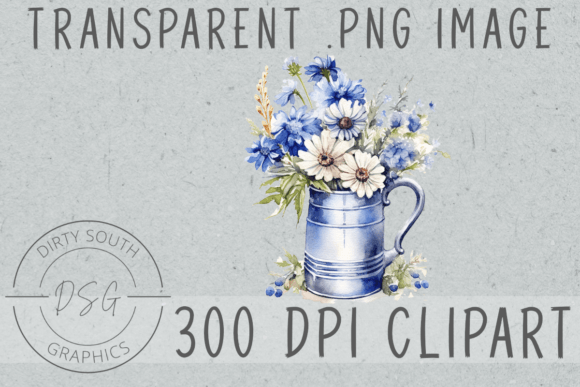
Floral Watercolor Pitcher: A Designer's Hands-On Review
First Glance and Creative Mood
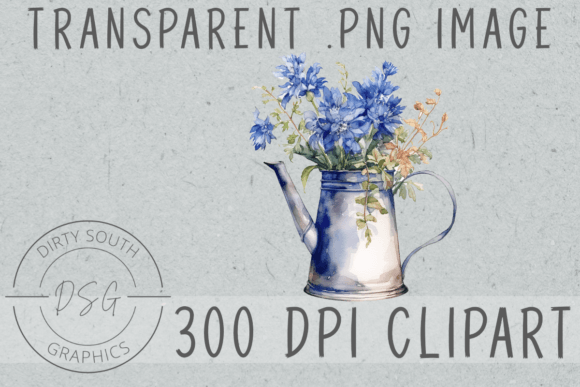
When I first opened Floral Watercolor Pitcher, I immediately felt a gentle, romantic energy that is surprisingly hard to find in ready-to-use design assets. The soft brushstrokes, the way the petals seem to bleed naturally into one another, and that charming vintage pitcher silhouette all work together to create something that feels less like a standard graphic and more like a small piece of art. The watercolor technique gives it an airy, garden-fresh personality that would translate beautifully into projects meant to feel personal, thoughtful, and handmade.
Many embroidery designs start with crisp vector lines and hard edges. This one leans fully into its painterly roots. The transparent background PNG format at a generous 2500×2500 pixels and 300 dpi means the artwork arrives with enough resolution to inspect those delicate transitions between colors. For an embroidery designer, that first impression matters because you are already mentally converting those soft washes into stitch paths, thread choices, and fabric selections before you even open your digitizing software.
The mood it creates is unmistakably cottage-inspired, with a hint of rustic elegance. It calls to mind sunlit kitchen windows, hand-picked bouquets, and the kind of heirloom charm that customers in handmade marketplaces genuinely seek out. That is the kind of emotional pull I look for when choosing a design for embroidery work that will end up as a finished product in someone's home or wardrobe.
Where Floral Watercolor Pitcher Truly Belongs
After studying the composition, I can confidently say Floral Watercolor Pitcher belongs on products where the design itself becomes the focal point. This is not a subtle accent piece. The floral arrangement spilling from the pitcher creates a lovely vertical or slightly rounded layout that works best when given breathing room. Think tote bag design on natural canvas, a centered back panel on a denim jacket, the full front of a sweatshirt embroidery project, or even a generously sized embroidered patch meant to be sewn onto a favorite jacket or bag.
I could also see this performing exceptionally well on home décor items. A linen pillow cover with this design stitched in soft matte threads would feel instantly boutique-worthy. Tea towels, especially for spring and summer collections, would carry this watercolor pitcher beautifully. The design also suits nursery décor surprisingly well, perhaps on a small quilt or a wall hanging, where the gentle floral theme adds warmth without feeling overly juvenile.
For Etsy sellers and craft business owners, this graphic opens up an interesting product range. You could build an entire seasonal collection around it, coordinating kitchen towels, aprons, and table runners. A personalized version with a monogram beneath the pitcher could become a signature personalized gift item. The versatility comes from the subject matter itself. People connect with pitchers and flowers. They represent home, hospitality, and slow living, values that drive many purchasing decisions in the handmade goods space.
Real Project Test: The Tote Bag That Taught Me Something
Let me walk you through a real scenario I encountered while preparing a custom embroidered tote bag for a client who runs a small bakery. She wanted something warm and inviting for her market stall bags, something that would make customers feel like they were buying bread from a countryside kitchen. I pulled up Floral Watercolor Pitcher and immediately knew the mood was right. The watercolor florals softened the commercial feel of a plain canvas tote and gave it that handmade storytelling quality small businesses desperately need.
The challenge came when I began digitizing. Those soft watercolor blends do not simply translate into satin stitch outlines. They require thoughtful decisions about stitch density, layering, and thread color blending. I opted for a combination of fill stitch segments with carefully chosen thread gradients, using three shades of dusty pink for the larger blossoms and a muted sage for the foliage. The pitcher itself needed a slightly different approach. I used a light blue-gray with just enough running stitch detail to suggest the ceramic curves without making it feel heavy or over-stitched on the canvas.
After a few test runs on scrap fabric, the results were lovely. The design held enough softness to honor its watercolor origin while still reading clearly as an embroidery piece. The client adored the finished totes, and her customers frequently commented on the unique artwork. That is the kind of reaction that builds customer trust and repeat business. When your products feel thoughtfully designed rather than mass-produced, buyers notice and remember.
Practical Considerations Before You Stitch
Every experienced embroiderer knows that a beautiful graphic does not automatically guarantee a beautiful stitched result. With Floral Watercolor Pitcher, there are a few practical points worth examining before you commit to a production run or list a new item in your Etsy shop.
First, pay close attention to your hoop size. A design with this level of petal detail and the full pitcher silhouette needs adequate space. Cramming it into a small hoop, such as a 4×4 inch frame, will compress the floral arrangement and likely cause those tiny watercolor specks to become muddy or lost entirely. I recommend hooping generously and letting the artwork breathe. A medium to large hoop gives you the room needed to maintain clarity in the blossoms and the pitcher's delicate handle.
Fabric choice matters enormously here. Smooth, medium-weight cottons and linens are ideal partners. Textured fabrics like heavy canvas or loose-weave burlap can disrupt the watercolor effect by introducing too much background noise. Stretchy fabrics demand extra stabilizer and careful hooping to prevent distortion, especially around the curved pitcher rim and slender handle. Thin fabrics may pucker under fill stitch sections, so a good cutaway stabilizer becomes non-negotiable.
Thread color selection is where your artistic eye truly comes into play. The watercolor style thrives on subtle transitions. I found that using matte embroidery threads rather than high-sheen polyester helped preserve the painterly softness. Testing your chosen palette on both light and dark backgrounds is essential. A design that looks stunning on natural linen may lose its gentle contrast on a deep navy sweatshirt. I always run black and white mockups to check value balance before committing to thread choices. It saves time, materials, and frustration.
Dark Fabric, Curved Surfaces, and Other Tricky Spots
Using Floral Watercolor Pitcher on dark fabric requires a shift in expectations. The transparent background of the original PNG works beautifully for printing, but in embroidery, you are physically placing thread onto fabric. On black or charcoal fabrics, the lighter watercolor washes may need slightly denser stitching or an underlay layer to prevent the fabric from peeking through and dulling the design. Test thoroughly before offering dark-background products to customers.
Curved surfaces like caps and hats introduce another layer of complexity. The vertical flow of the pitcher and flowers does not always conform happily to the arched shape of a cap front. You may need to crop or reposition elements, and even then, the intricate petal detail might suffer in the tighter stitching area. For baby embroidery on tiny garments, scale becomes an issue. Consider using only a portion of the design, perhaps just the floral cluster, rather than forcing the full pitcher onto a onesie where the handle detail becomes illegible.
Frequent washing is another factor worth mentioning. Kitchen towels and baby items face regular laundering. Watercolor-style embroidery, with its blend of delicate details and softer edges, can gradually lose crispness over many wash cycles. Using quality threads and proper stabilization helps, but setting realistic expectations for customers protects your reputation in the long run.
What Makes This Design Valuable for Small Shops
From a business perspective, Floral Watercolor Pitcher brings strong potential for handmade product lines that emphasize warmth and artistry. The watercolor aesthetic is perennially popular in boutiques, wedding markets, and home décor niches. It stands apart from the bolder, more graphic embroidery styles that saturate many online marketplaces. That differentiation can become your competitive edge when building brand consistency across a product range.
I appreciate that this file arrives as a high-resolution PNG with a transparent background. For printable mockups and digital product previews, you can create clean, professional listing images without awkward white boxes around the artwork. The clarity at 2500×2500 pixels gives you flexibility to resize thoughtfully without losing the subtle watercolor texture that defines the piece. Remember, however, that this is explicitly not an SVG file and not a cut file. It is a PNG image suited for printing applications, which means you will need to digitize it properly for machine embroidery use. Do not expect a ready-to-stitch embroidery file to arrive with your download.
Licensing is the conversation every designer must have with themselves before listing finished products. Confirm what commercial usage is permitted with the original asset. While the graphic is categorized under Illustrations as a Graphics type, the specific terms around selling finished physical items or incorporating the design into digital embroidery files for resale depend entirely on the license provided by the creator. Do not assume broad commercial rights. Check before you invest time and materials into production.
Thoughts on Giftability and Customer Appeal
Gift buyers gravitate toward designs that feel personal without being overly specific. Floral Watercolor Pitcher occupies that sweet spot. It suggests thoughtfulness, nature, and a gentle domesticity that works for housewarming presents, Mother's Day gifts, bridal shower favors, and holiday presents alike. An embroidered kitchen towel featuring this design tied with a simple ribbon becomes an instantly charming gift. A set of matching pillow covers for a newlywed couple carries sentimental weight without needing personalization.
The recognition factor also plays a role in buyer engagement. Returning customers who purchased a tote with this pitcher last spring might eagerly pick up a matching apron when summer markets roll around. Small shops thrive on that kind of visual continuity. The design becomes a quiet signature, a recognizable thread running through your product catalog that fosters loyalty and word-of-mouth recommendations.
Final Designer Notes Before You Begin
If Floral Watercolor Pitcher has caught your eye, here is my honest advice as someone who has tested it in practice:
- Test on scrap fabric first. Do not learn about stitch density problems on your final product. A quick test reveals how your chosen threads and stabilizer interact with the watercolor detail.
- Review your thread palette critically. The romantic mood hinges on gentle color transitions. Harsh contrasts can break the watercolor illusion entirely.
- Consider how the transparent background translates. In embroidery, negative space is fabric, not emptiness. Plan your fabric color as part of the composition.
- Respect the scale. This design asks for room. Honor that request and your results will reward you with clarity and charm.
- Check your licensing. Understand what you can and cannot do commercially before offering finished products or digital embroidery files derived from this graphic.
- Think seasonally but not exclusively. Spring and summer products are an obvious fit, but those muted watercolor tones can bring a refreshing softness to autumn and holiday collections when paired thoughtfully with warmer fabrics.
In the end, Floral Watercolor Pitcher earns its place in a thoughtful maker's design library. It requires a bit of digitizing finesse and a willingness to test and refine, but the finished embroidery carries an emotional quality that sharper, more graphic designs often miss. For embroidery designers, craft business owners, and creative entrepreneurs who want their products to feel like a quiet moment of beauty, this design delivers something genuinely lovely.